

What defines the modern engineering industry in 2026?
2026-05-11
The engineering industry in 2026 is not defined by one breakthrough technology or one dominant sector. It is defined by the ability to connect disciplines, manage complexity, reduce lifecycle risk, and deliver practical assets that can perform in a changing world.
For companies operating in energy, renewables, maritime, offshore, manufacturing, and infrastructure, engineering has become a strategic function rather than a technical afterthought. The best engineering teams are no longer judged only by whether they can produce drawings or calculations. They are judged by whether their work can be built safely, operated efficiently, adapted over time, and aligned with commercial, environmental, and regulatory goals.
That shift is reshaping the modern engineering industry. In 2026, the companies that lead are the ones that combine deep technical judgment with digital workflows, sustainability thinking, constructability, and sector-specific expertise.
The modern engineering industry is outcome-driven
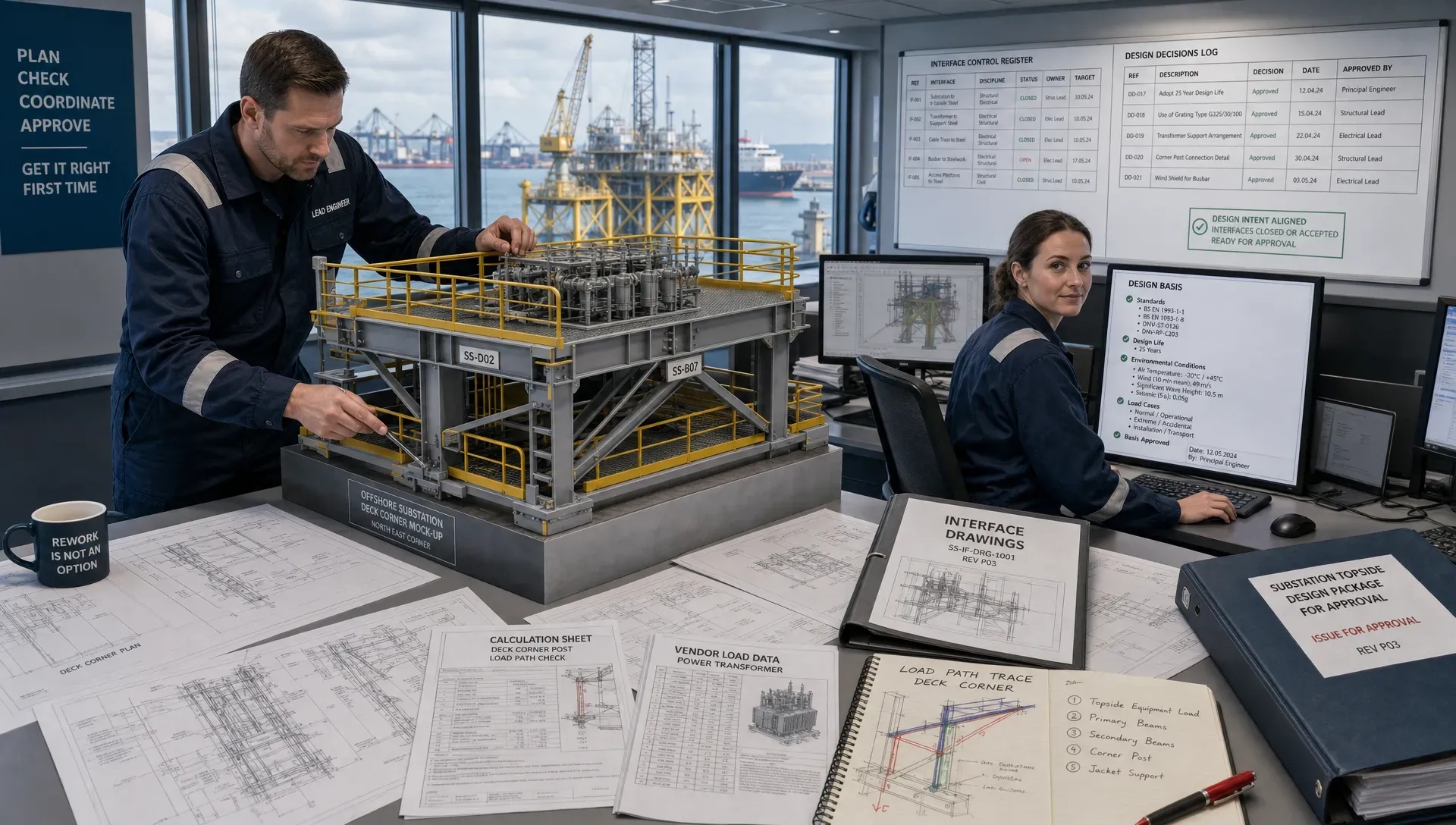
Traditional engineering was often organized around disciplines: structural, mechanical, naval architecture, electrical, piping, software, and project engineering. Those disciplines still matter, but modern industrial projects rarely succeed when each function works in isolation.
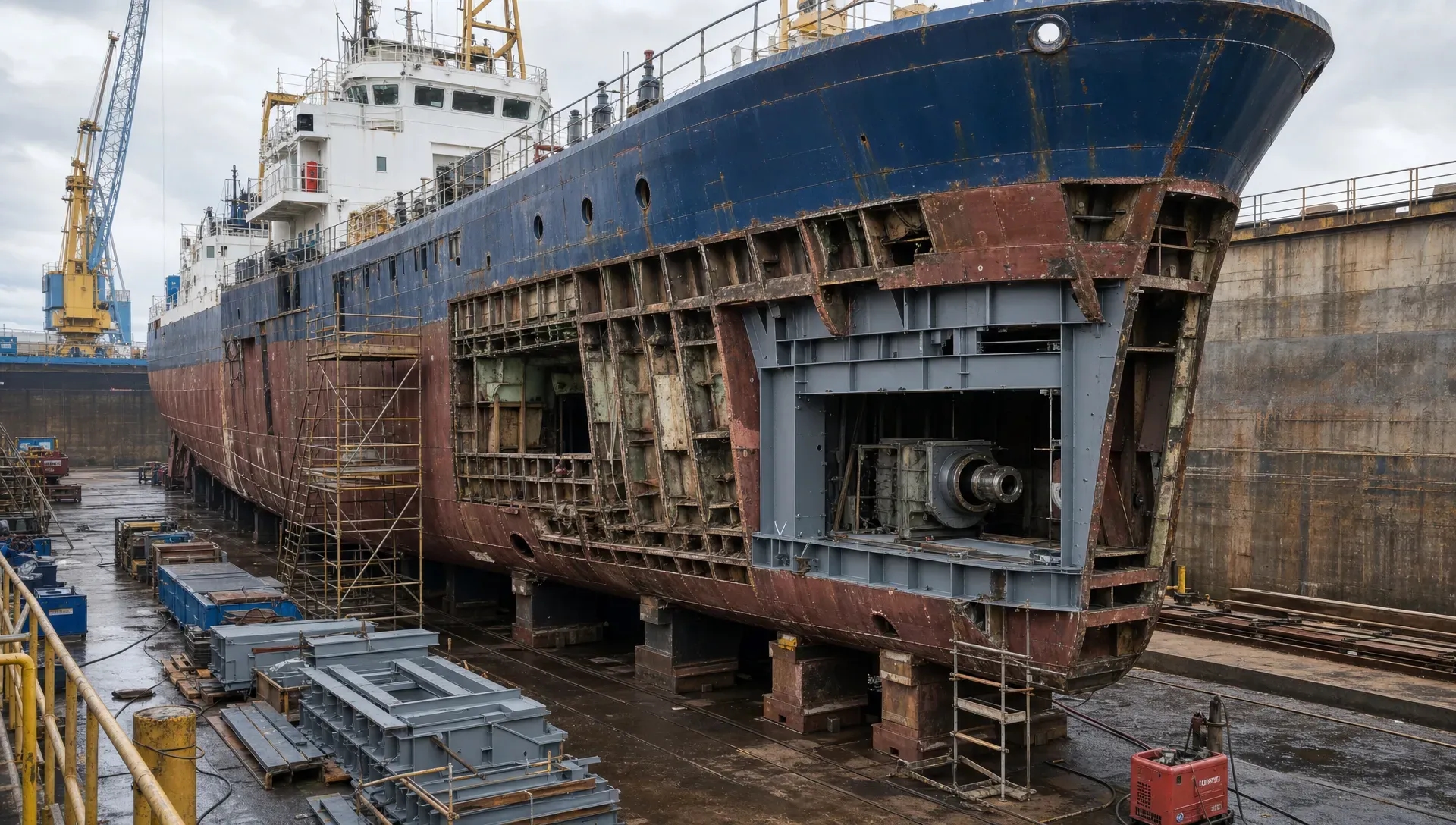
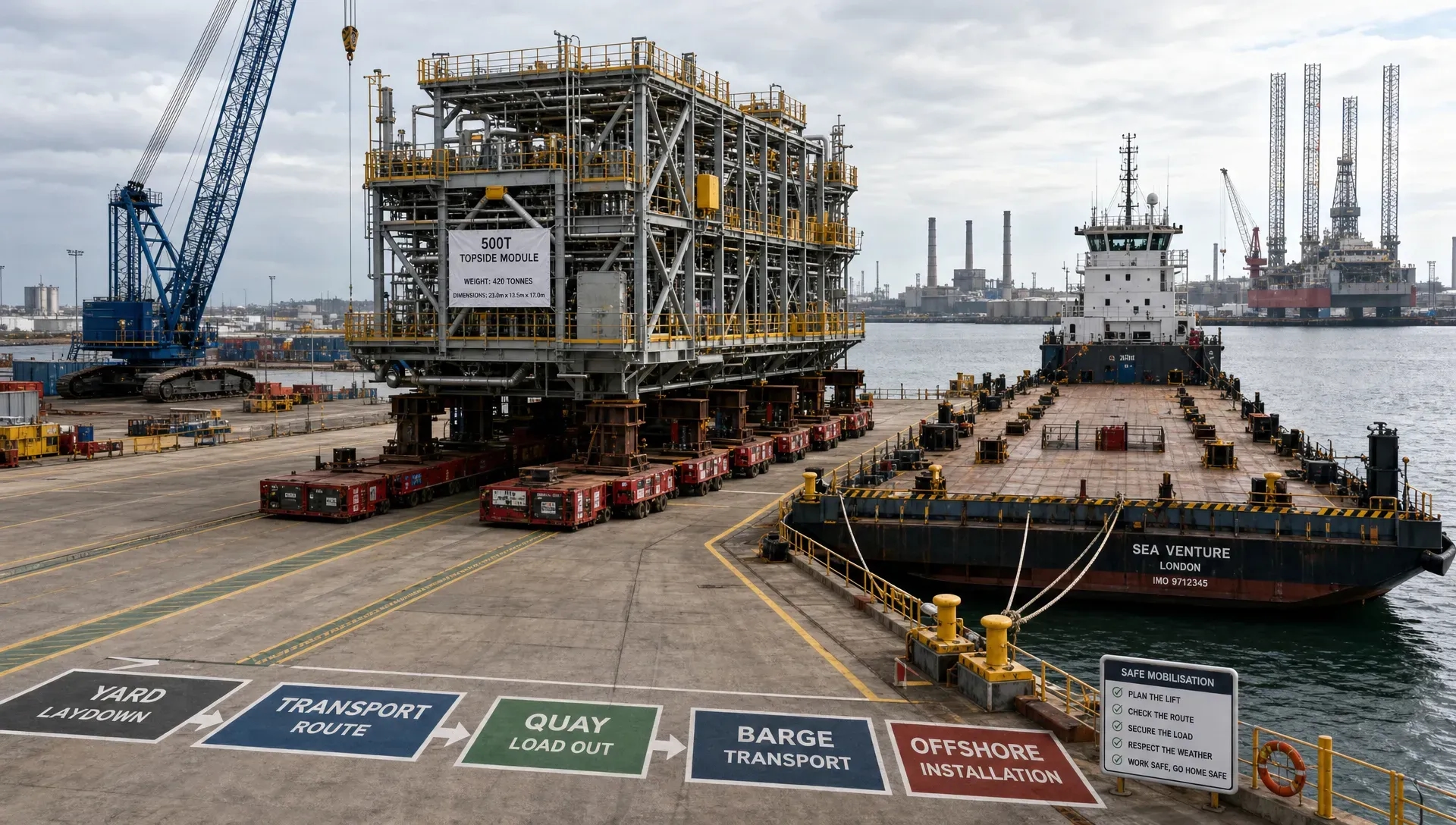
A vessel retrofit, for example, is not only a naval architecture problem. It may involve structural modifications, piping integration, class requirements, stability checks, production constraints, procurement timing, and operational downtime. An offshore lift is not only a crane capacity calculation. It involves rigging geometry, temporary structures, vessel motions, weather windows, fabrication tolerances, and safety margins.
This is why the modern engineering industry is increasingly outcome-driven. Clients need solutions that work across the full lifecycle of an asset, from concept and feasibility through detailed design, execution, operation, maintenance, and eventual decommissioning.
Energy transition is now central to industrial engineering
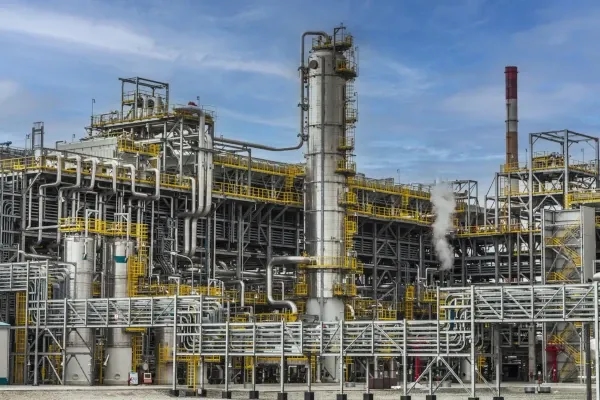
One of the biggest forces shaping the engineering industry is the global energy transition. Renewable power, offshore wind, electrification, grid upgrades, alternative fuels, and low-carbon industrial systems are no longer niche topics. They are core engineering challenges.
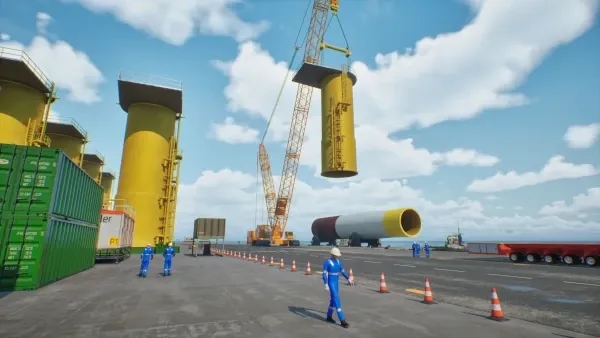
The International Energy Agency has repeatedly highlighted the rapid growth of renewable energy capacity, including record additions in recent years, in its renewables analysis and forecasts. For engineering teams, this growth creates demand for practical expertise in foundations, offshore structures, electrical interfaces, maintenance access, marine logistics, and installation planning.
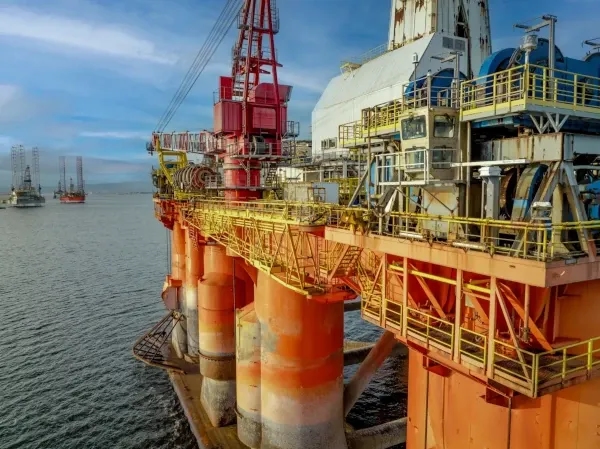
Renewable energy projects also introduce a different kind of complexity. Many assets are exposed to demanding environments, especially in offshore wind, floating energy systems, and coastal infrastructure. Designs must withstand fatigue, corrosion, wave loading, wind loading, and difficult access conditions while remaining economically viable.
At the same time, legacy energy infrastructure still requires engineering support. Operators need asset life extension, retrofit planning, brownfield modifications, safe decommissioning, and structural assessments. The modern energy landscape is not simply a switch from old to new. It is a period of overlap where engineers must support existing assets while enabling future systems.
This makes adaptability a defining capability. Engineering teams must be able to work across conventional energy, renewables, and transitional technologies without treating them as separate worlds.
Maritime engineering is being reshaped by decarbonization
The maritime sector is another clear example of how the modern engineering industry is changing. Ships and offshore vessels are under pressure to reduce emissions, improve efficiency, and comply with evolving rules.
The International Maritime Organization's 2023 greenhouse gas strategy set an ambition for international shipping to reach net-zero greenhouse gas emissions by or around 2050, with indicative checkpoints for 2030 and 2040. This direction continues to influence vessel design, operational planning, retrofit decisions, and fuel-system development in 2026.
For shipowners and operators, decarbonization is not only a question of choosing a future fuel. It affects space allocation, tank arrangements, piping systems, ventilation, safety zones, stability, power management, hull performance, and class approval. Even efficiency upgrades can trigger a chain of engineering implications.
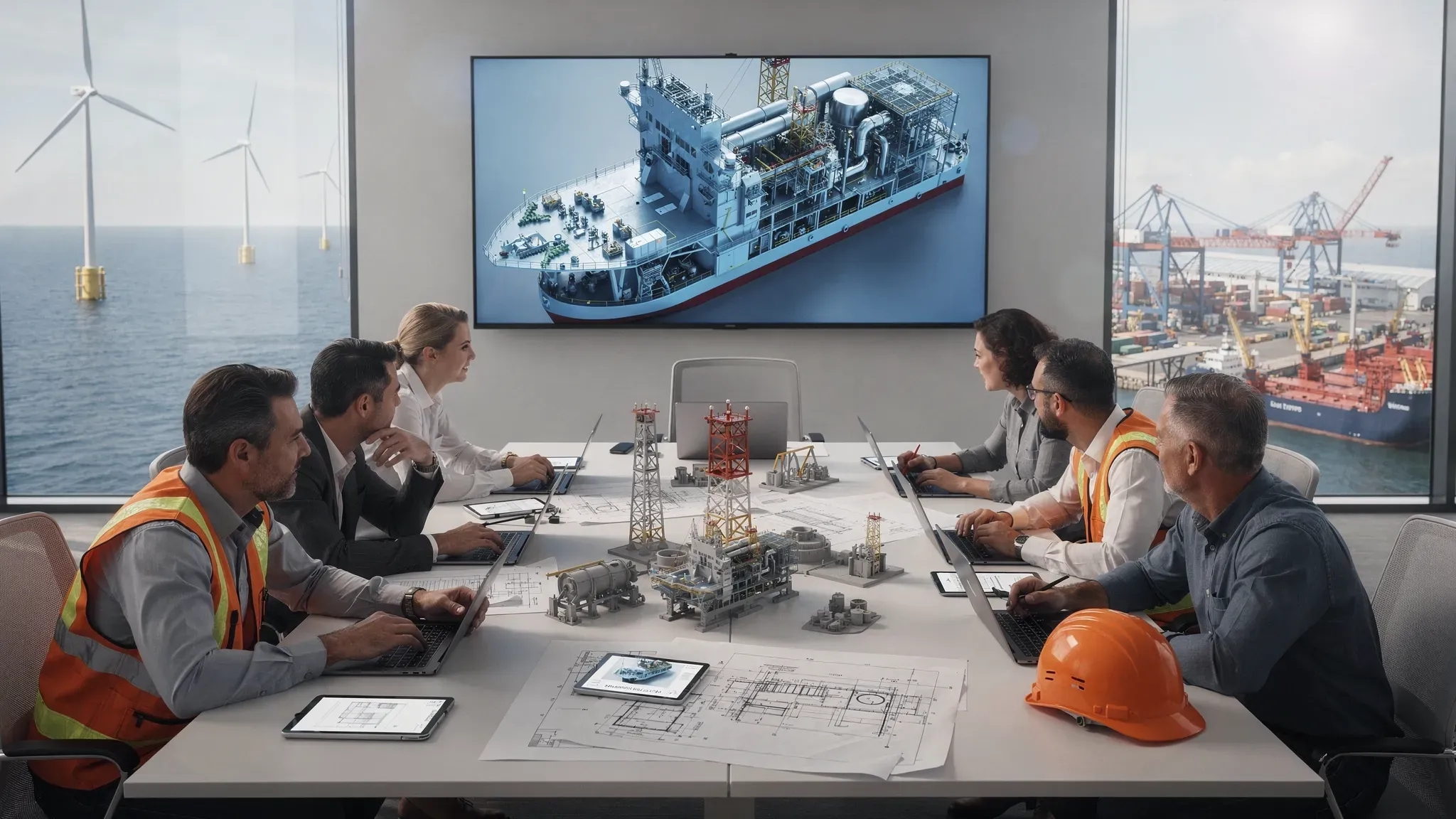
Modern ship design and vessel retrofit projects now require close coordination between naval architects, structural engineers, piping specialists, marine engineers, and operators. A technically elegant design is not enough if it cannot be installed within a dry-dock window, maintained by the crew, or approved by the relevant authorities.
This is why marine engineering in 2026 is practical, integrated, and compliance-aware. It must balance innovation with safety and operational reality.
Digital engineering is becoming the operating system of project delivery
Digital tools are not new to engineering, but their role has changed. In 2026, digital engineering is less about isolated software packages and more about connected decision-making.
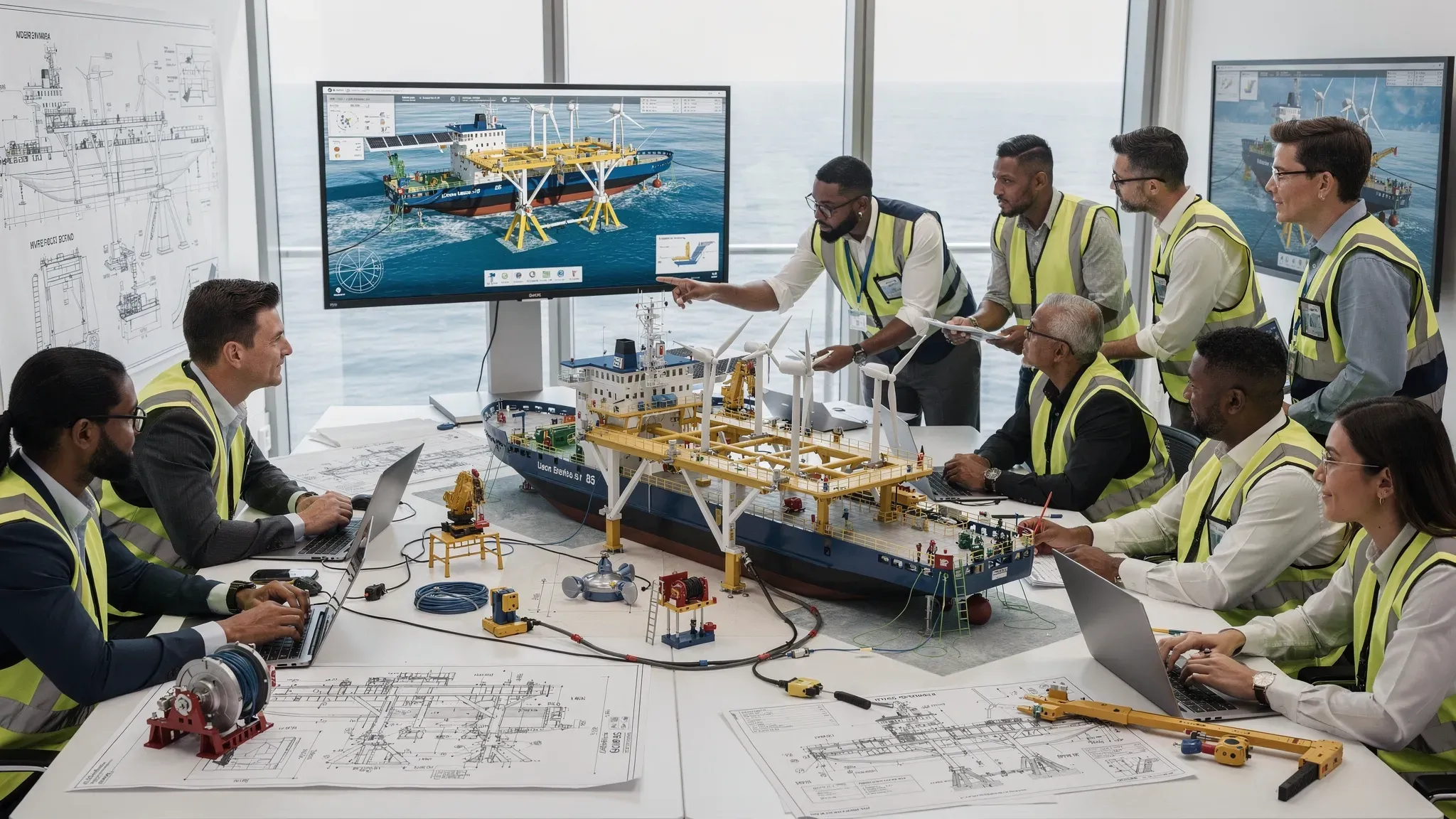
Modern teams use 3D modeling, finite element analysis, computational tools, simulation, automation scripts, data visualization, and collaborative platforms to reduce uncertainty. For heavy lift engineering, digital methods can help evaluate lifting points, rigging arrangements, structural responses, and clearance constraints before work begins on site. For ship and offshore design, digital models can help identify clashes, optimize layouts, and communicate complex modifications to stakeholders.
Artificial intelligence is also becoming more visible in engineering workflows. It can support document review, data extraction, early-stage design exploration, coding, and quality checks. However, AI does not replace engineering responsibility. Calculations, assumptions, safety factors, class requirements, and design approvals still require qualified human judgment.
The most valuable digital engineering workflows share three qualities:
- They improve technical clarity rather than creating extra administration.
- They connect design decisions to fabrication, installation, and operation.
- They maintain traceability so teams can understand why decisions were made.
Software and user interface development also play a growing role in industrial engineering. Custom tools can help teams interact with technical data, visualize project constraints, or automate repetitive calculations. Animation and visual communication are becoming useful in complex projects as well, especially when teams need to explain lift sequences, installation methods, or vessel modifications to non-specialists.
In short, digital engineering is not only about faster design. It is about making better decisions earlier.
Constructability has become a competitive advantage
A modern engineering concept must survive contact with the real world. That means constructability is no longer something to check at the end of a project. It must be built into the design process from the start.
This is especially important in heavy lift, offshore, marine, and industrial projects. Small errors in access, tolerances, lifting geometry, weld sequencing, or temporary support design can create major delays. A structure that looks efficient on paper may be difficult to fabricate. A retrofit that appears simple in a model may be complicated by existing systems, limited access, or vessel downtime constraints.
Constructability-focused engineering asks practical questions early:
- Can this be fabricated with available equipment and materials?
- Can it be transported, lifted, and installed safely?
- Are the tolerances realistic for the environment?
- Does the design reduce offshore or dry-dock work where possible?
- Can operators inspect, maintain, and repair the asset efficiently?
The answers influence cost, schedule, safety, and asset performance. This is why the best engineering teams combine analytical capability with field awareness. They understand that a good design is not only technically correct. It is also buildable, inspectable, and operationally useful.
Sustainability now means lifecycle responsibility
Sustainability in the engineering industry used to be treated mainly as an environmental reporting topic. In 2026, it is increasingly a design requirement.
Clients want assets that use materials efficiently, reduce waste, consume less energy, and remain useful for longer. Regulators, investors, and supply-chain partners are also asking more questions about embodied carbon, recycling, hazardous materials, and end-of-life planning.
For engineering teams, this changes the design conversation. A lower-weight structure may reduce material use, but it must still meet fatigue and safety requirements. A retrofit may extend asset life, but it must be assessed against future compliance and operating needs. Decommissioning may remove risk from the environment, but it requires careful planning, lifting engineering, structural assessment, and waste handling.
The World Green Building Council and other industry bodies have helped raise awareness of embodied carbon across the built environment. While the details differ between buildings, vessels, offshore platforms, and industrial assets, the principle is similar: engineering decisions made early can have long-term environmental consequences.
In offshore and maritime sectors, lifecycle responsibility is particularly important because assets are expensive, technically complex, and exposed to harsh environments. Engineers must design not only for first use, but also for inspection, repair, modification, repurposing, and removal.
Resilience is now part of the baseline
Climate risk, supply-chain disruption, geopolitical uncertainty, and stricter safety expectations are making resilience a core engineering requirement. Industrial assets must be designed to perform under changing conditions.
For offshore structures, this may involve more careful assessment of environmental loads, fatigue life, corrosion protection, and inspection access. For vessels, it may involve operating profile changes, new fuels, power system upgrades, or route-specific requirements. For renewable energy assets, it may involve reliability in remote locations and maintainability under limited access windows.
Resilience is not the same as overdesign. Overdesign can increase cost, weight, and material use. Modern resilience is about understanding risk clearly and applying engineering effort where it creates the most value.
That requires good data, sound assumptions, practical experience, and transparent communication between engineers, asset owners, fabricators, installers, and operators.
The engineering workforce is becoming more hybrid
The engineering industry in 2026 needs people who can move between disciplines. Deep expertise still matters, but so does collaboration.
A structural engineer may need to understand marine installation constraints. A naval architect may need to coordinate with piping and emissions specialists. A software developer working on an engineering tool may need to understand the underlying calculation logic. A project engineer may need to translate between technical teams, commercial stakeholders, and site crews.
This hybrid skill set is becoming more valuable because modern projects involve more interfaces. The more interfaces a project has, the more important communication becomes.
The future engineering workforce will likely be defined by three capabilities: strong fundamentals, digital fluency, and systems thinking. Strong fundamentals keep designs safe. Digital fluency improves speed and insight. Systems thinking helps teams understand how one decision affects the whole asset.
What clients should expect from an engineering partner in 2026
Choosing an engineering partner in 2026 is not only about capacity. It is about whether the team can reduce uncertainty and help move a project from concept to execution.
Clients should look for evidence of multidisciplinary thinking, practical design experience, and the ability to work across the asset lifecycle. This is especially important in sectors where safety, downtime, weather, class rules, and installation constraints can dominate the project outcome.
A strong engineering partner should be able to explain assumptions clearly, identify risks early, and adapt the level of detail to the project stage. Early feasibility work should not be overloaded with unnecessary detail, but execution engineering should be rigorous, traceable, and practical.
The best partners also communicate visually. Technical drawings, 3D models, animations, and clear documentation can help stakeholders understand complex work before it reaches the field. This is particularly valuable for heavy lifts, vessel modifications, offshore installations, and decommissioning projects.
How Fusie Engineers fits the modern engineering industry
Fusie Engineers operates in the areas where these industry shifts are most visible: energy, renewable, and maritime engineering. The company supports clients with disciplines including offshore structural design, heavy lift engineering, ship design, vessel retrofits and piping, marine engineering, steel detailing, software and UI development, animation and VFX, renewable energy solutions, and decommissioning projects.
That combination reflects where the modern engineering industry is heading. Industrial clients increasingly need partners who can connect analysis, design, digital communication, and execution planning. They need engineering that is technically sound, but also practical enough to support real-world construction, installation, operation, and modification.
For projects in offshore, maritime, renewables, and industrial environments, the future belongs to engineering teams that can bridge concept and execution without losing sight of safety, compliance, cost, and lifecycle value.
Frequently Asked Questions
What defines the modern engineering industry in 2026? The modern engineering industry is defined by multidisciplinary delivery, digital workflows, sustainability, constructability, resilience, and lifecycle thinking. Engineering teams are expected to solve practical business and operational problems, not only produce technical documents.
How is digital technology changing engineering? Digital technology is improving how engineers model, simulate, visualize, automate, and communicate complex work. Tools such as 3D modeling, analysis software, automation, and AI-assisted workflows can improve decision-making, but qualified engineers remain responsible for technical judgment and safety.
Why is the energy transition important for engineering companies? The energy transition is creating demand for renewable energy infrastructure, offshore wind, electrification, retrofits, decommissioning, and more efficient industrial assets. Engineers are needed to make these systems safe, buildable, maintainable, and commercially viable.
What role does maritime engineering play in 2026? Maritime engineering is central to vessel efficiency, decarbonization, alternative fuel readiness, retrofits, ship design, and offshore operations. As regulations and operating requirements evolve, vessel owners need integrated engineering support across structural, mechanical, piping, and marine disciplines.
What should companies look for in an engineering partner? Companies should look for technical expertise, sector experience, clear communication, practical constructability knowledge, and the ability to support projects from concept through execution. In complex sectors, the right partner helps reduce risk before it becomes expensive.
Build for the next era of engineering
The modern engineering industry is moving fast, but the fundamentals remain clear: safe design, practical execution, reliable assets, and measurable value.
If your project involves offshore structures, heavy lift engineering, ship design, vessel retrofits, marine systems, renewable energy, or decommissioning, working with the right engineering partner can make the difference between a concept that looks good and a solution that performs in the real world.
Connect with Fusie Engineers to explore engineering support for complex industrial, maritime, and energy projects.