


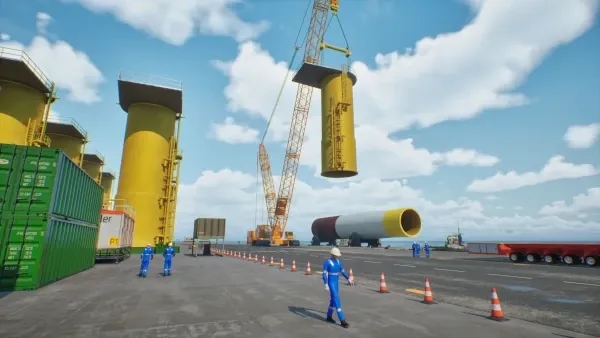
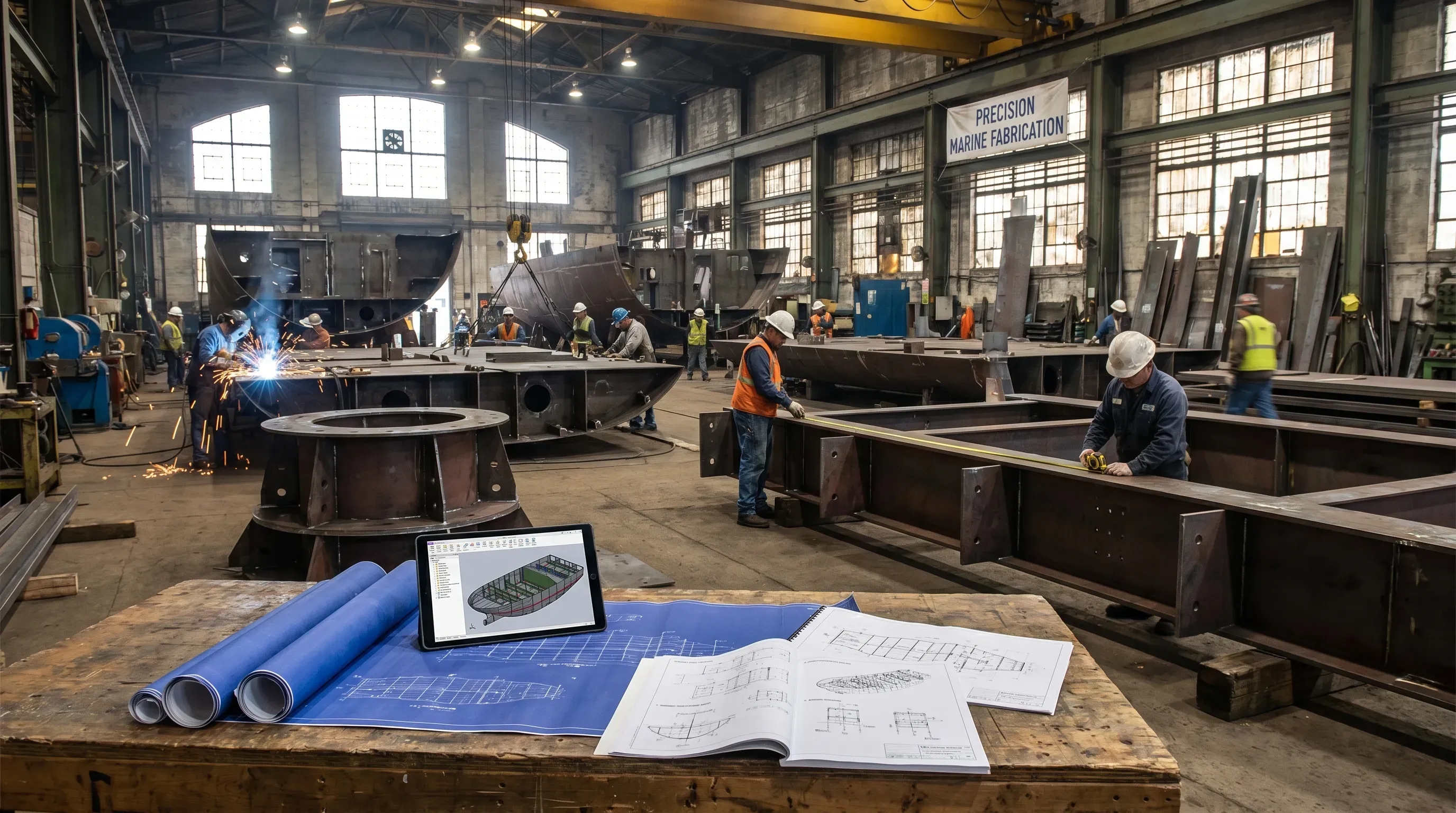
Why steel detailing matters in marine fabrication
2026-05-12
A marine structure is only as reliable as the details that tell a yard how to build it. General arrangements, structural calculations and FEM reports define the engineering intent, but steel detailing turns that intent into cut plates, stiffeners, brackets, welds, assemblies and fabrication information that can be executed safely on the shop floor.
In marine fabrication, that step carries more risk than many project teams realise. The structure may need to withstand wave-induced accelerations, vessel motions, lifting loads, fatigue, corrosion, class requirements and tight installation windows. A drawing that looks acceptable in isolation can still create problems if it is difficult to weld, clashes with piping, blocks access for coating, exceeds vessel deck capacity or fails to show a traceable load path for approval.
For shipyards, offshore contractors, EPC teams and vessel owners, good detailing is not just a documentation task. It is a project control tool that protects fabrication schedules, supports class review, reduces rework and helps ensure the steel that leaves the yard is fit for the marine environment.
Steel detailing is where engineering becomes buildable steel
Steel detailing sits between structural design and fabrication. It translates design calculations and layout drawings into the information required to procure, cut, fit, weld, inspect, coat and assemble steel components.
In a marine project, this can include detailed information for ship blocks, deck structures, seafastening, grillages, equipment foundations, lifting frames, vessel retrofits, piping supports, access platforms, temporary installation tools and offshore structural components. The level of detail required depends on the scope, but the goal is always the same: remove ambiguity before steel reaches the workshop.
Typical detailing outputs may include shop drawings, assembly drawings, material take-offs, weld information, part lists, bolt lists, plate developments and fabrication-ready 3D models. When required, detailing can also support CNC cutting, nesting, installation sequencing and yard coordination. The important point is that these outputs must match the engineering basis, not simply reproduce geometry.
A well-detailed component tells the fabricator what to build, how parts connect, where tolerances matter and how the assembly interfaces with the vessel or offshore structure. It also gives reviewers, surveyors and project teams a clearer basis for checking that the final steelwork reflects the approved design.
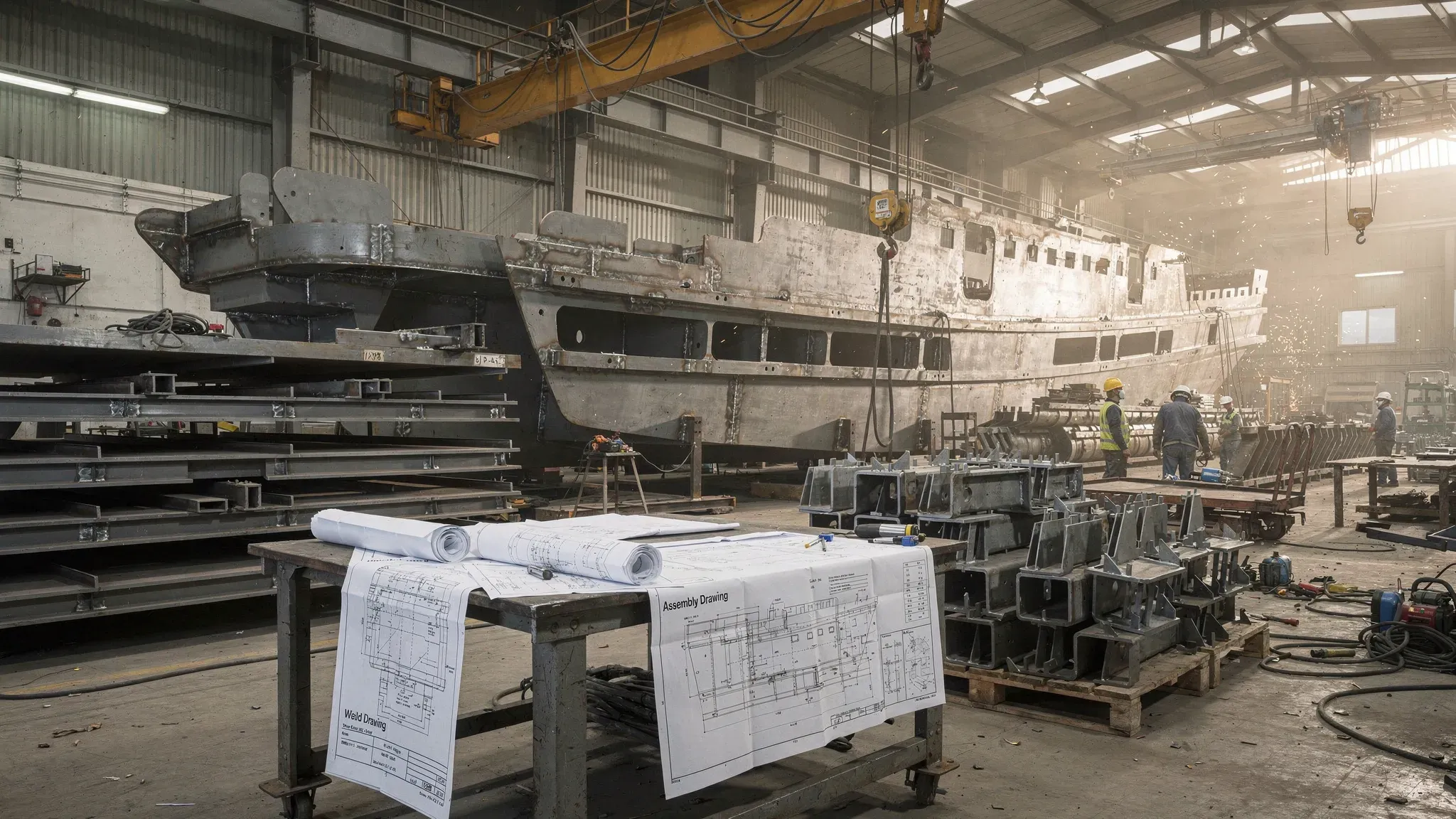
Why marine fabrication is different from general steel fabrication
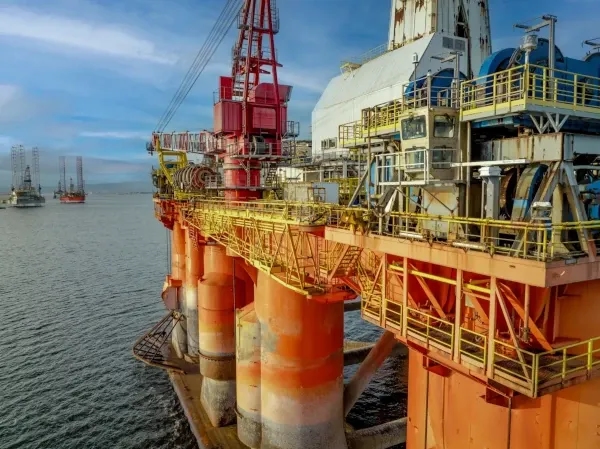
Marine steelwork is exposed to dynamic, corrosive and often space-constrained conditions. A static land-based support frame and a seafastening structure for offshore transport may both be made from steel, but the detailing priorities are very different.
Marine structures are affected by vessel motions, accelerations, fatigue-sensitive details, corrosion protection, coating access, drainage, confined spaces and strict inspection requirements. Loads are often transferred through existing ship structure, which may have limited allowable capacity or incomplete as-built information. In retrofit projects, the available drawings may not reflect what is actually onboard.
Class and regulatory expectations also shape the detailing process. Classification societies such as DNV, Lloyd’s Register and ABS publish rules and guides that influence structural arrangement, materials, welding, inspection and documentation. Marine Warranty Surveyors may also review temporary works, transport arrangements, lift points, seafastening and installation structures.
This means marine detailing cannot be treated as a late drafting exercise. It must account for engineering assumptions, class expectations, fabrication methods, vessel constraints and the realities of offshore or shipyard execution.
The link between steel detailing and safety
Safety in marine fabrication starts long before a vessel sails or a lift begins. The way steel is detailed influences how loads pass through a structure, how welds are accessed and inspected, how workers assemble components and how safely the final structure behaves during operation.
Poor detailing can create hidden safety risks. A bracket may be drawn without adequate weld access. A stiffener may be placed where it cannot be properly inspected. A lifting lug may be dimensionally correct but poorly integrated into the surrounding structure. A seafastening detail may not clearly show how horizontal and vertical loads enter the deck structure below.
These issues are not theoretical. In marine operations, small ambiguities can become high-consequence problems because equipment is heavy, weather windows are limited and mobilisation costs are significant. If a detail is unclear, the yard may make an assumption. If that assumption is wrong, the project may face rework, non-conformances, delayed approval or, in the worst case, unsafe offshore execution.
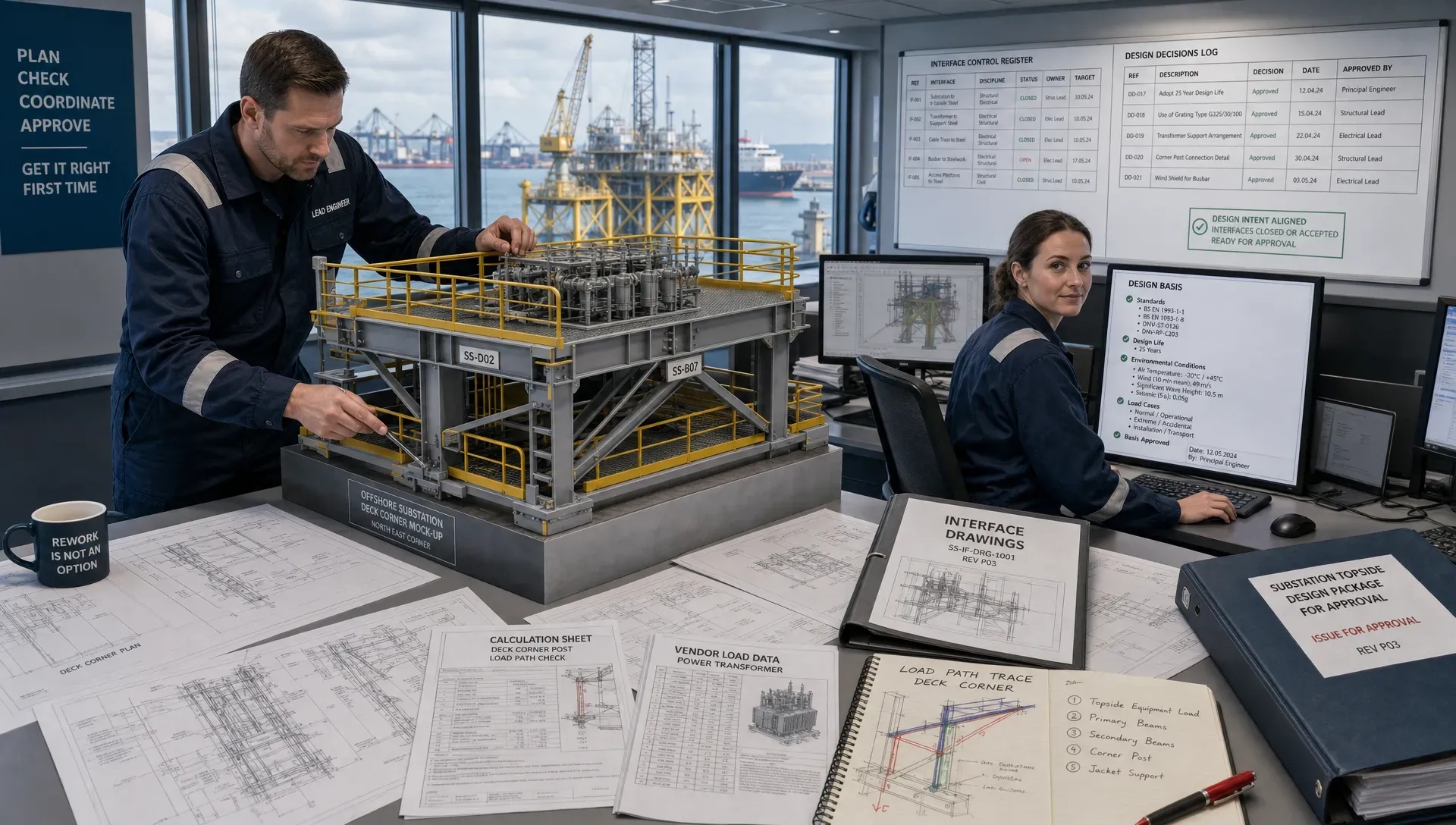
Good steel detailing reduces this risk by making the design intent visible and traceable. It aligns drawings with calculations, clarifies critical welds, identifies interfaces and ensures that the people fabricating the steel understand which details are structurally important.
Buildability: the difference between a correct design and a workable design
A design can satisfy the calculation report and still be unnecessarily difficult to fabricate. This is where experienced detailing adds major value.
In marine fabrication, buildability is affected by weld access, fit-up tolerances, plate thickness, cutting complexity, lifting weight, assembly sequence, coating access and available yard equipment. If these factors are not considered, the project may spend more steel, labour and time than necessary.
Practical detailing helps reduce fabrication risk in several ways:
- It simplifies assemblies where possible without compromising strength or approval requirements.
- It reduces unnecessary weld congestion and hard-to-reach joints.
- It supports logical fabrication sequences for blocks, frames, grillages and outfitting supports.
- It improves material control through clear part identification and bills of material.
- It helps avoid clashes with piping, outfitting, access routes and existing vessel structure.
- It makes inspection, coating and maintenance access easier to plan.
For project directors and engineering managers, this is where steel detailing becomes a cost-control lever. Every avoidable weld, unclear interface or late change can multiply across fabrication hours, inspection time and schedule risk. In offshore and maritime work, the cost of resolving issues late is often far higher than the cost of detailing them correctly early.
Approval readiness depends on consistent documentation
Class approval and MWS review are not only about calculations. Reviewers need to see that drawings, reports and procedures describe the same structure and the same load path.
If the calculation report assumes one stiffener arrangement but the shop drawing shows another, the review process slows down. If a transport analysis defines seafastening loads but the fabrication drawing does not clearly show the corresponding brackets, welds and deck reinforcements, comments are likely. If a lifting arrangement includes padeyes but the local structure is not detailed in a way that supports the load path, approval can become difficult.
Approval-ready detailing should connect the engineering basis to the fabrication package. This is especially important for:
- Seafastening and grillage structures for offshore transport.
- Heavy lift frames, spreader beams, padeyes and lifting attachments.
- Equipment foundations and deck reinforcements.
- Vessel retrofits involving class-sensitive modifications.
- Offshore installation tools and temporary works.
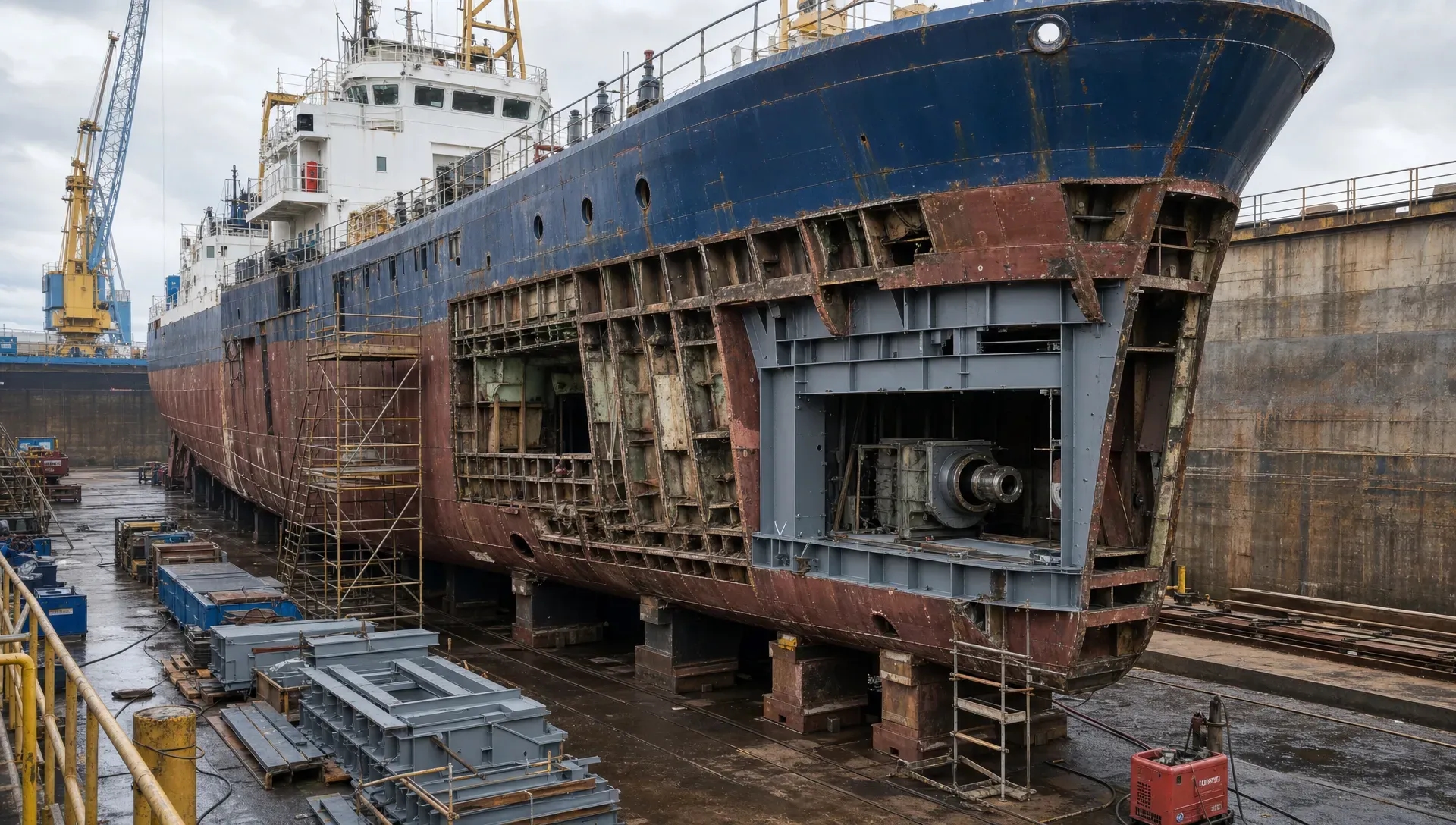
- Ship repair and conversion scopes with tight docking schedules.
Clear documentation does not guarantee instant approval, but it gives reviewers a stronger basis for assessment. It also reduces the back-and-forth that can delay procurement, fabrication and mobilisation.
Interface control: where many marine projects lose time
Marine fabrication rarely happens in isolation. Steelwork interfaces with hull structure, piping, cable trays, access platforms, machinery, mooring equipment, lifting appliances, coating systems, transport supports and installation procedures.
Interface control is one of the biggest reasons steel detailing matters. A small clash in a workshop model can become a major delay if it is discovered after coating, during vessel mobilisation or offshore. For example, a piping support that blocks inspection access may require hot work in a restricted area. A grillage that conflicts with deck fittings may need redesign after vessel preparation has started. A retrofit foundation may fit the drawing but not the actual vessel due to legacy modifications.
Good detailing helps project teams identify these conflicts early. It brings structural engineering, naval architecture, marine operations, piping, fabrication and approval requirements into the same practical framework. This is particularly important when different parties are responsible for different scopes.
For vessel retrofits, as-built information is critical. Laser scans, onboard surveys and physical checks often need to be reconciled with older drawings. Detailing should allow for realistic tolerances and installation methods, not assume that the vessel is a perfect representation of its original plans.
Heavy lift and seafastening details are temporary, but critical
Temporary steel is sometimes treated as less important because it will be removed after transport or installation. In marine projects, that is a dangerous assumption.
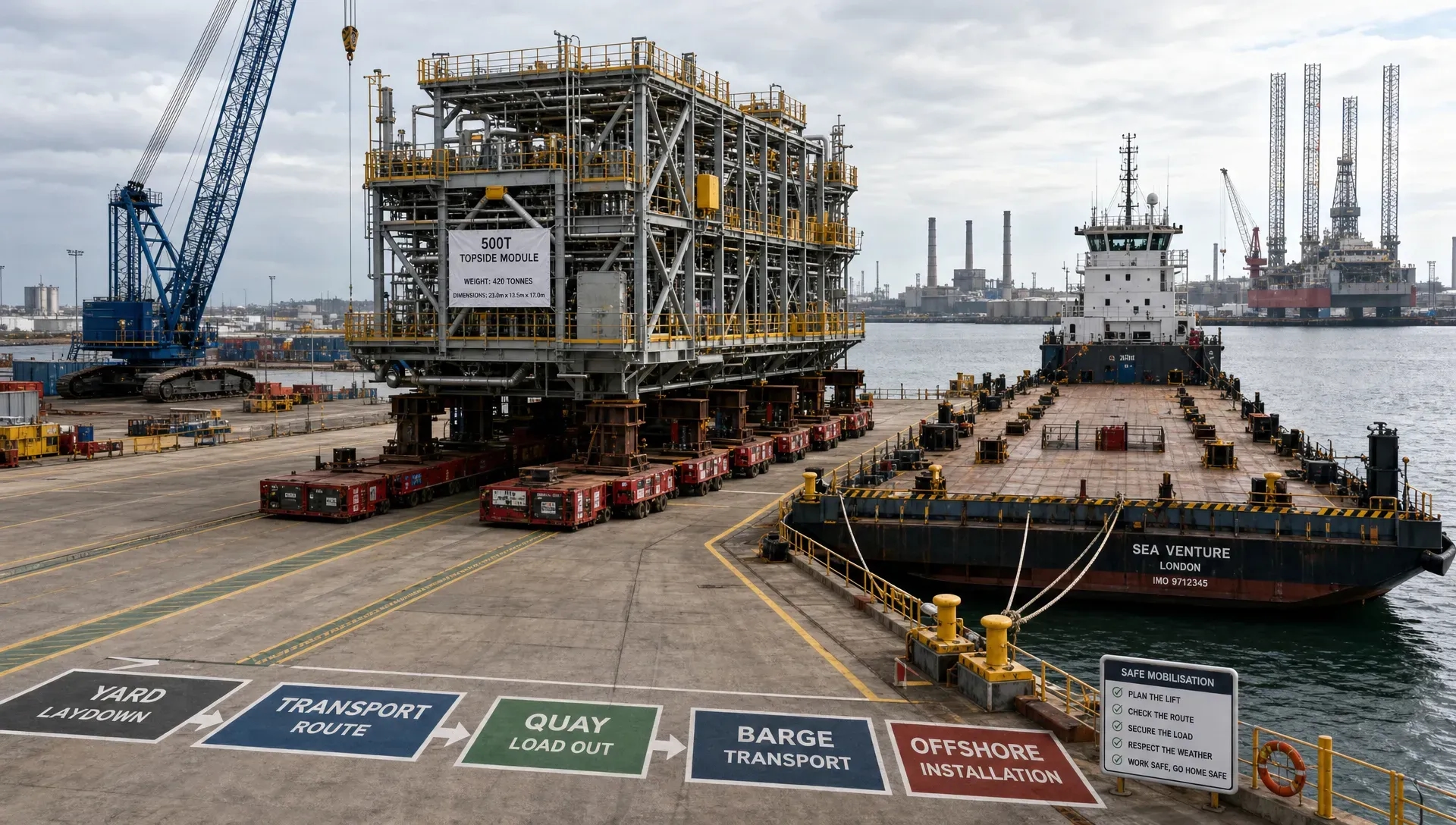
Seafastening, grillages, transport frames, lifting tools and temporary supports can be among the most highly loaded structures in the project. They may only operate for a short period, but during that period they protect expensive assets, vessel integrity, crew safety and project schedule.
Detailing for these structures must account for vessel motions, acceleration loads, lifting geometry, weld access, deck reinforcement, installation sequence and removal. It should also consider how the structure will be fabricated and installed within the available mobilisation window.
A seafastening detail that is difficult to weld may delay load-out. A grillage that does not align properly with underdeck structure may overload the vessel. A lifting frame that requires complex fit-up may create schedule pressure before a critical offshore operation. In each case, the problem is not only design strength, but practical execution.
This is why heavy lift engineering and steel detailing should be closely connected. The detailing package must reflect the lift plan, load cases, rigging arrangement, vessel constraints and offshore method statement.
Steel detailing and cost control
Cost pressure is a constant in maritime, offshore, renewable energy and traditional energy projects. However, choosing the cheapest detailing option can create expensive downstream consequences if the drawings are not buildable, coordinated or approval-ready.
Good detailing helps control cost by reducing rework, fabrication hours, material waste and approval delays. It can also reduce unnecessary steel by ensuring load paths are understood and local reinforcements are placed where they are actually needed. This does not mean under-designing. It means using engineering judgement to avoid overly conservative, heavy or fabrication-intensive solutions where a smarter detail can achieve the same purpose.
Cost control is especially important in offshore wind foundation transport, ship repair, vessel conversion, decommissioning, dredging equipment, offshore installation tools and marine energy projects. These scopes often involve tight windows, limited deck space, high crane costs and multiple approval stakeholders.
The earlier detailing input is brought into the engineering process, the more opportunity there is to optimise. Late detailing tends to document decisions that have already been made. Early detailing can challenge weld complexity, assembly sequence, material usage and interface risk before they become locked into procurement and fabrication.
What good marine steel detailing looks like
Good marine steel detailing is not simply clean drawings. It is a disciplined process that connects structural requirements with fabrication reality.
Strong detailing packages usually share several characteristics:
- The drawings are consistent with calculations, FEM models and approved design assumptions.
- Critical load paths are clear to engineers, fabricators and reviewers.
- Welds are practical to execute, inspect and, where required, repair.
- Interfaces with vessel structure, piping, outfitting and access routes are checked.
- Assembly sequences are realistic for the yard, craneage and available work fronts.
- Tolerances are suitable for marine fabrication and retrofit conditions.
- Material grades, plate thicknesses and part identification are unambiguous.
- Documentation is structured for class, MWS, yard and client review.
The best detailers also understand when to ask engineering questions. If a connection looks difficult to fabricate, if a weld cannot be accessed, if a stiffener does not appear to align with the load path, or if a retrofit interface seems uncertain, those issues should be raised early. Silent drafting is not enough for complex marine work.
The role of 3D modelling in modern marine detailing
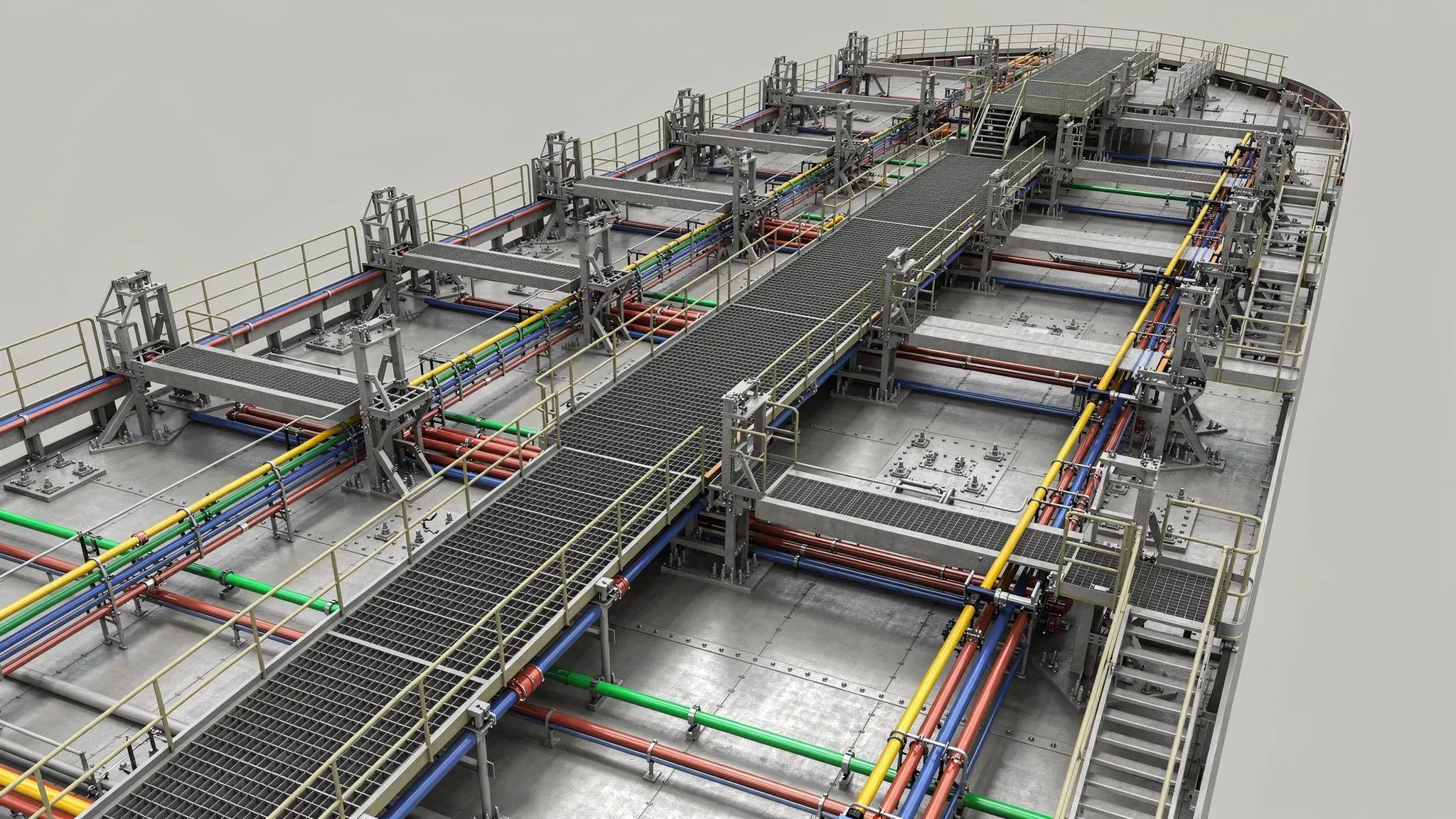
3D modelling has become central to many marine fabrication workflows. It helps teams visualise complex structures, manage interfaces and detect clashes before work reaches the yard. For offshore structures, ship blocks, vessel retrofits and temporary installation tools, a well-managed model can become a shared reference for engineering, fabrication and review.
However, a 3D model is only valuable if it is technically controlled. Geometry alone does not confirm that a structure is safe, buildable or approved. The model must be developed in line with calculation assumptions, material specifications, weld details, tolerances and fabrication constraints.
Used properly, 3D modelling improves coordination between disciplines. It can support clearer shop drawings, more accurate material take-offs and better communication with non-engineering stakeholders. It can also provide a foundation for technical animation or visualisation when a complex marine operation needs to be explained during tendering, QHSE briefings or execution planning.
Why early detailing input improves project outcomes
Many detailing problems are created before the detailing phase begins. If the concept design ignores fabrication constraints, vessel interfaces or approval expectations, the detailer may be forced to solve problems under schedule pressure.
Early detailing input helps avoid this. During concept and basic engineering, experienced steel detailing support can identify difficult welds, unrealistic tolerances, excessive plate complexity, awkward assembly sequences and potential clashes. This allows the design team to make better decisions while changes are still relatively low cost.
For marine contractors and EPC teams, early coordination can also improve procurement. Clear material take-offs and fabrication assumptions support more reliable yard pricing. Better-defined interfaces reduce variation orders. More realistic assembly information helps planning teams align engineering, procurement, fabrication and mobilisation schedules.
The result is not just a better drawing package. It is a smoother path from engineering to fabrication, inspection, approval and offshore execution.
Choosing a steel detailing partner for marine fabrication
Not every detailing provider is suited to marine work. Shipyards, offshore contractors and engineering managers should look for a partner that understands both the drawing environment and the operational consequences of those drawings.
Useful questions to ask include:
- Does the team understand vessel structure, marine loads, lifting operations and offshore installation constraints?
- Can they coordinate detailing with structural calculations, FEM output, motion analysis, mooring checks or stability information when required?
- Do they have experience with class and MWS review expectations?
- Can they identify buildability issues rather than only producing drawings from input sketches?
- Do they understand retrofit uncertainty, as-built variation and shipyard working conditions?
- Can they support both permanent and temporary marine structures?
- Are they able to communicate quickly with engineering, fabrication and project teams when decisions are needed?
The right partner does more than add drafting capacity. They provide engineering judgement, practical fabrication awareness and documentation discipline. That combination is essential when project delays can affect mobilisation, vessel availability and offshore execution.
How Fusie Engineers supports marine fabrication projects
Fusie Engineers supports clients across the offshore, maritime, renewable energy and traditional energy sectors with engineering services that include structural design, heavy lift engineering, ship design, marine engineering, vessel retrofits, piping design and steel detailing.
For marine fabrication scopes, the value lies in connecting engineering calculations with practical execution. Fusie Engineers works with fabrication, installation, maintenance and approval in mind, helping clients develop steelwork that is safe, buildable and suitable for review by MWS or class societies such as DNV, Lloyd’s Register and ABS.
This approach is relevant for seafastening, grillages, offshore wind foundation transport, vessel retrofits, ship repair, custom installation tools, heavy lift structures, deck reinforcements, piping supports and marine equipment foundations. The objective is not to create drawings in isolation. It is to support the full project path from concept and calculations to detailed engineering, shop drawings and operational readiness.
For teams facing tight deadlines, limited internal capacity or complex marine interfaces, an experienced detailing and engineering partner can reduce uncertainty at the point where it matters most: before steel is cut, welded and mobilised.
Frequently asked questions
What is steel detailing in marine fabrication? Steel detailing is the process of converting structural design intent into fabrication-ready information for steel components. In marine fabrication, this can include shop drawings, assembly drawings, part lists, weld information, material take-offs and coordinated models for ship, offshore, retrofit and temporary works scopes.
Why is steel detailing important for class approval? Class and MWS reviewers need drawings, calculations and procedures to align. Good detailing makes load paths, welds, materials, reinforcements and interfaces clear, which reduces ambiguity and helps the review process proceed with fewer avoidable comments.
When should steel detailing start in a marine project? Detailing input is most valuable when it starts before the design is fully fixed. Early involvement helps identify fabrication constraints, access issues, clashes, tolerance concerns and approval risks before they become expensive late-stage changes.
How does steel detailing reduce fabrication cost? It reduces cost by improving material control, simplifying assemblies, avoiding unnecessary weld complexity, preventing clashes and reducing rework. In marine projects, it can also help prevent delays that affect vessel mobilisation, docking windows or offshore execution.
Is detailing for temporary offshore structures different from permanent steelwork? Yes. Temporary structures such as seafastening, grillages and lifting tools may be used for a short period, but they can carry high loads during transport or installation. Their detailing must reflect vessel motions, lift arrangements, deck capacity, weld access, installation sequence and removal requirements.
Need steel detailing support for a marine fabrication scope?
If your project involves vessel modifications, offshore transport steelwork, heavy lift structures, seafastening, grillages, ship repair, piping supports or fabrication-ready marine steelwork, Fusie Engineers can support the engineering and detailing process with a practical, approval-focused approach.
Speak with Fusie Engineers to discuss how your steel detailing package can be aligned with structural design, fabrication, class review and offshore execution from the start.