

What industry 4 means for offshore engineering workflows
2026-07-12
For offshore engineering teams, industry 4 is not a slogan about digitalisation. It is a practical shift in how engineering data, models, calculations, drawings, fabrication inputs, marine operations and approval documentation are connected across the full project workflow.
In a factory, Industry 4.0 is often associated with automation, sensors and connected production lines. Offshore, maritime and energy projects are different. A heavy lift may only happen once. A vessel retrofit may involve legacy drawings, class constraints and tight mobilisation windows. An offshore wind transport campaign may depend on grillage design, seafastening, vessel strength, motion response, lifting arrangements and MWS review all progressing together.
That makes the real question very specific: how can industry 4 help offshore engineering teams move faster without losing control of safety, buildability or approval readiness?
Industry 4 in offshore engineering is about connected control
Industry 4, often called Industry 4.0, combines digital models, automation, connected systems, simulation, cloud collaboration, data capture and feedback loops. In offshore engineering, these tools only create value when they improve engineering control.
A connected workflow should make it easier to answer questions such as:
- Has the latest centre of gravity been used in the lifting calculation?
- Do the seafastening loads match the current transport analysis?
- Are underdeck reinforcements aligned with vessel capacity and fabrication access?
- Can the MWS or class reviewer trace assumptions back to the design basis?
- Will the design be practical to fabricate, install, inspect and remove offshore?
This is where industry 4 becomes useful. It does not replace engineering judgement. It reduces avoidable disconnects between disciplines, revisions and stakeholders.
For project directors, lead engineers and technical managers, the value is not simply having more software. The value is a workflow where the design basis, 3D model, FEM analysis, drawings, material take-off, installation procedure and approval package tell the same story.
From document handover to data continuity
Traditional offshore workflows often rely on staged handovers. Naval architecture provides vessel limits. Structural engineering designs grillages or lifting tools. Marine operations defines transport, lifting or mooring procedures. Fabrication teams review drawings. The MWS or class society checks the documentation.
That sequence can work, but it becomes fragile when project information changes quickly. A revised load case, deck layout, sea state limit, vessel selection or component weight can affect several disciplines at once. If updates are managed through disconnected spreadsheets, emails and drawing mark-ups, the risk of rework increases.
Industry 4 changes this by pushing teams towards data continuity. Inputs are structured, revisions are traceable and models become more than geometry. They carry relationships between load paths, connection details, fabrication constraints and operational assumptions.
In practice, this means the design basis must be controlled from the start. The workflow needs clear ownership of weights, coordinates, environmental limits, allowable stresses, vessel data, class rules, fabrication standards and operational restrictions. Digital tools can distribute this information quickly, but only a disciplined engineering process can keep it reliable.
This is why offshore digitalisation should begin with governance, not software selection. If teams do not agree which data is authoritative, faster tools simply move uncertainty faster.
Faster iteration without uncontrolled automation
One of the biggest advantages of industry 4 is faster iteration. Structural engineers can test alternative load paths, grillage concepts, padeye details, vessel support arrangements or steel reduction options much earlier in the project.
This matters because early decisions often define cost and schedule. A technically adequate grillage may still be expensive if it uses excessive steel, creates difficult weld access or requires complex underdeck reinforcement. A lifting arrangement may pass a calculation but create poor offshore handling, awkward rigging geometry or unnecessary approval questions.
Modern structural design software helps teams compare options quickly, but the workflow must still include review gates. Automation is useful for repetitive checks, drawing updates, reporting and model extraction. It is not a substitute for verifying boundary conditions, load combinations, fatigue exposure, weld details, local buckling or fabrication sequence.
For a deeper look at this point, Fusie Engineers has also covered how structural design software improves offshore workflows by improving iteration and coordination without removing engineering responsibility.
The practical outcome is not “more digital design”. It is better decision-making at the stage where changes are still affordable.
Simulation moves earlier in the workflow
Industry 4 also changes when simulation is used. In older workflows, detailed analysis may have been performed after the concept was largely fixed. In modern offshore engineering, simulation is increasingly used during concept development, tender support and constructability review.
That can include FEM calculations for offshore structures, vessel motion analysis, lifting simulations, mooring checks, stability reviews, pipe routing validation, clash detection and installation sequence planning. The benefit is that engineering teams can identify constraints before they become expensive offshore problems.
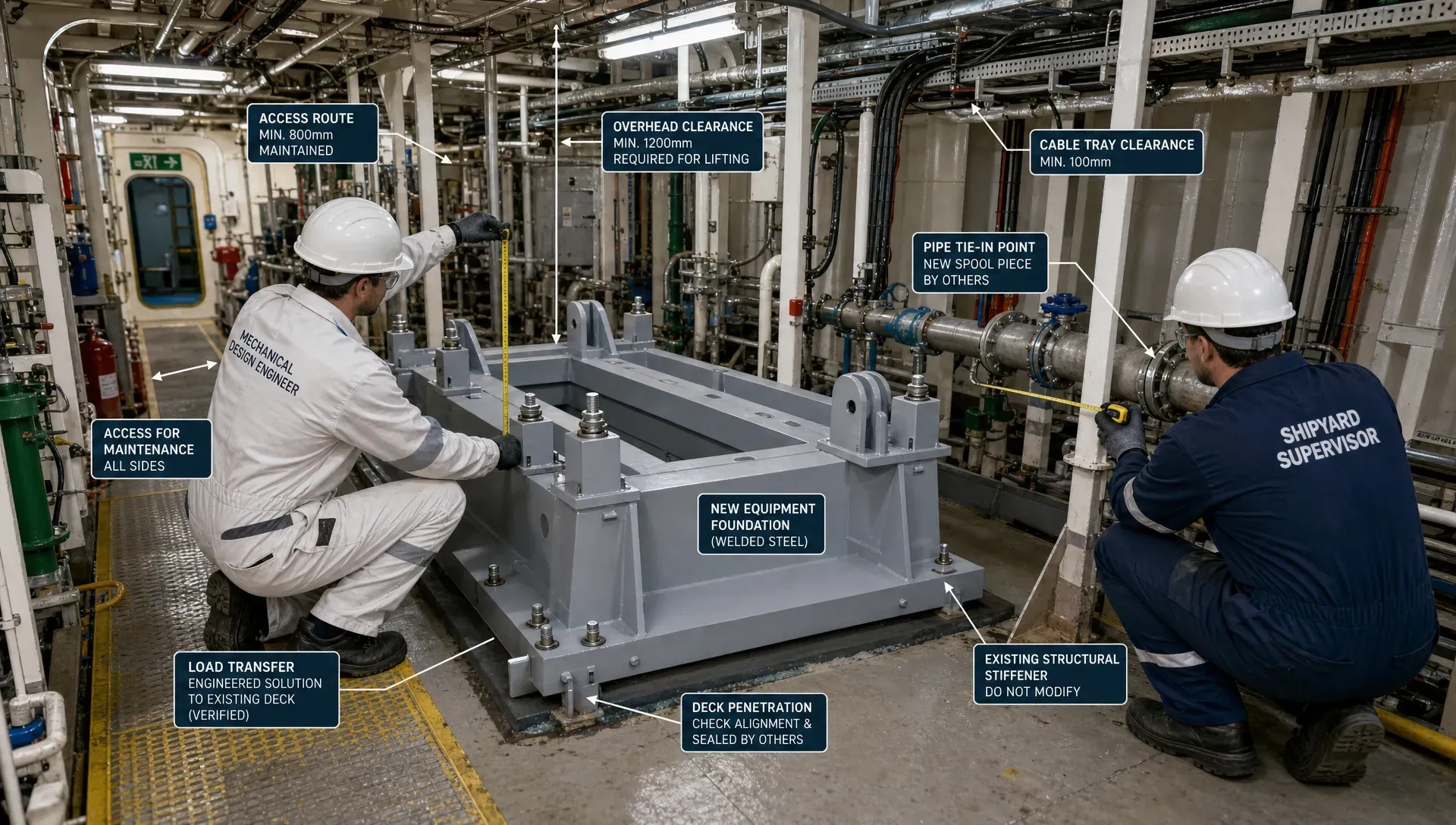
For example, a transport frame may appear efficient in a static model, but motion response, accelerations and sea fastening loads may reveal local overstress or unacceptable fatigue exposure. A retrofit routing concept may look simple in plan view, but 3D review may uncover access conflicts, class requirements, valve maintenance issues or hot work restrictions.
Simulation is most powerful when it is connected to real project inputs. If the model uses outdated vessel data, optimistic weights or incomplete interface loads, the workflow becomes digitally polished but technically weak. Industry 4 only improves offshore engineering when simulation is tied to controlled assumptions and reviewed calculations.
An offshore transport vessel deck carrying large steel components secured by grillages and seafastening, with visible lifting points, access routes and marine operation planning elements, seen from a slightly elevated angle with the cargo arrangement filling the frame.
Buildability becomes part of the digital workflow
A common failure in complex engineering projects is treating fabrication as a downstream activity. In offshore and maritime work, this creates avoidable cost. Designs may be structurally correct but slow to fabricate, difficult to weld, awkward to inspect or hard to install within the mobilisation window.
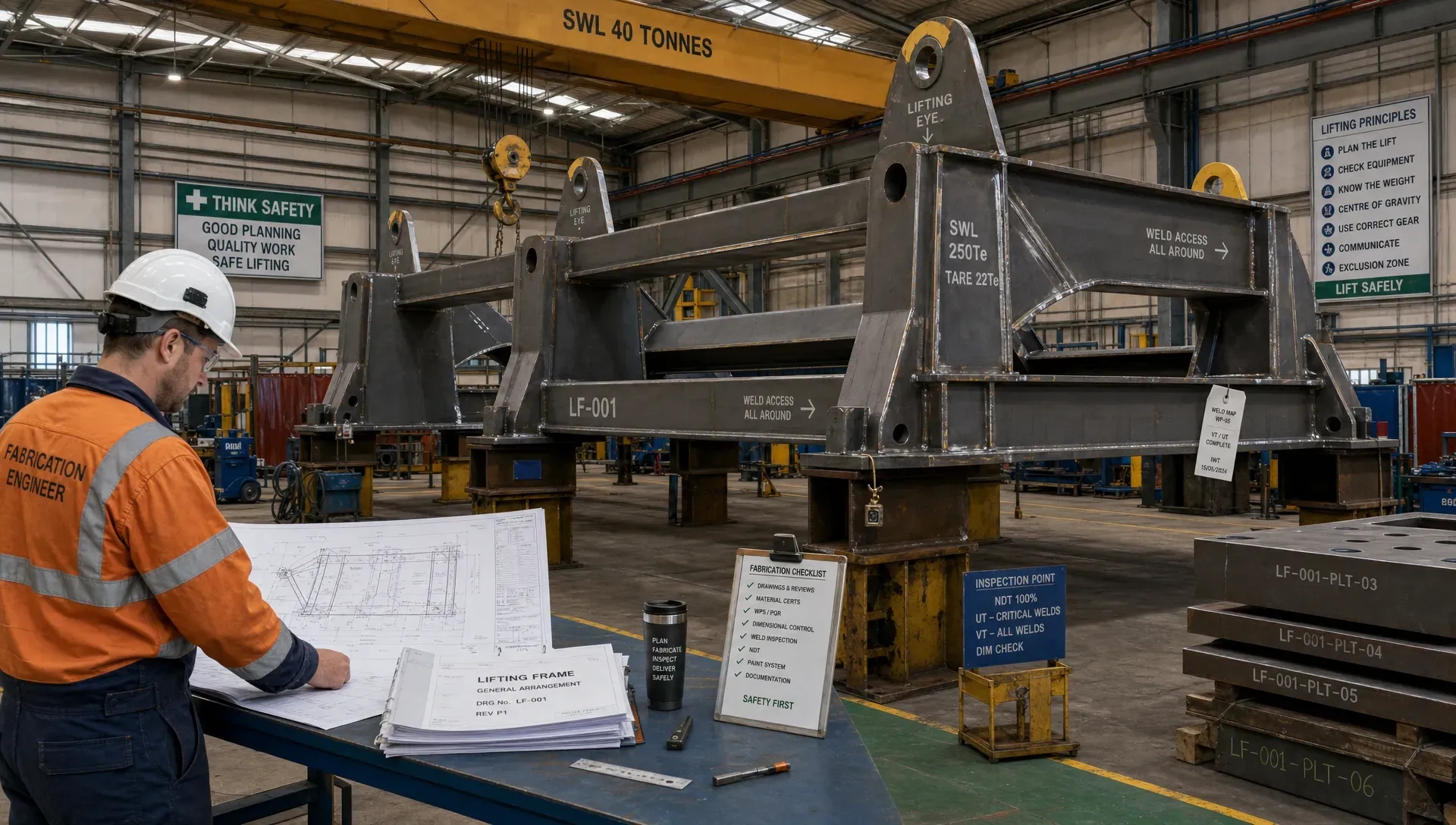
Industry 4 supports better buildability by connecting design and production information earlier. Steel detailing, fabrication sequencing, weld access, tolerances, coating requirements, lifting points and transport constraints can be reviewed before drawings are released for fabrication.
This is especially important for offshore wind foundations, vessel retrofits, ship repair, decommissioning tools, dredging equipment, heavy civils marine structures and traditional energy projects. In each case, a good design is not only a calculation result. It must survive contact with the yard, the vessel, the weather window and the approval process.
Practical digital workflows help engineering teams reduce:
- Rework caused by late clashes or missing interfaces.
- Overdesigned steel caused by unclear load paths.
- Fabrication delays caused by complex welds or inaccessible details.
- Approval questions caused by incomplete traceability.
- Offshore risk caused by assumptions that were not carried into execution planning.
A similar principle applies across practical infrastructure sectors: digital planning has value only when it improves site execution, whether the contractor is an offshore installation team or an authorised drainage contractor coordinating survey data, permits and field work records.
Approval readiness becomes more traceable
Offshore projects often depend on timely review by MWS, DNV, Lloyd’s Register, ABS or other approval bodies. Delays rarely come from one missing drawing alone. They often come from unclear assumptions, inconsistent revisions, incomplete load cases or documentation that does not show how the design connects to the operation.
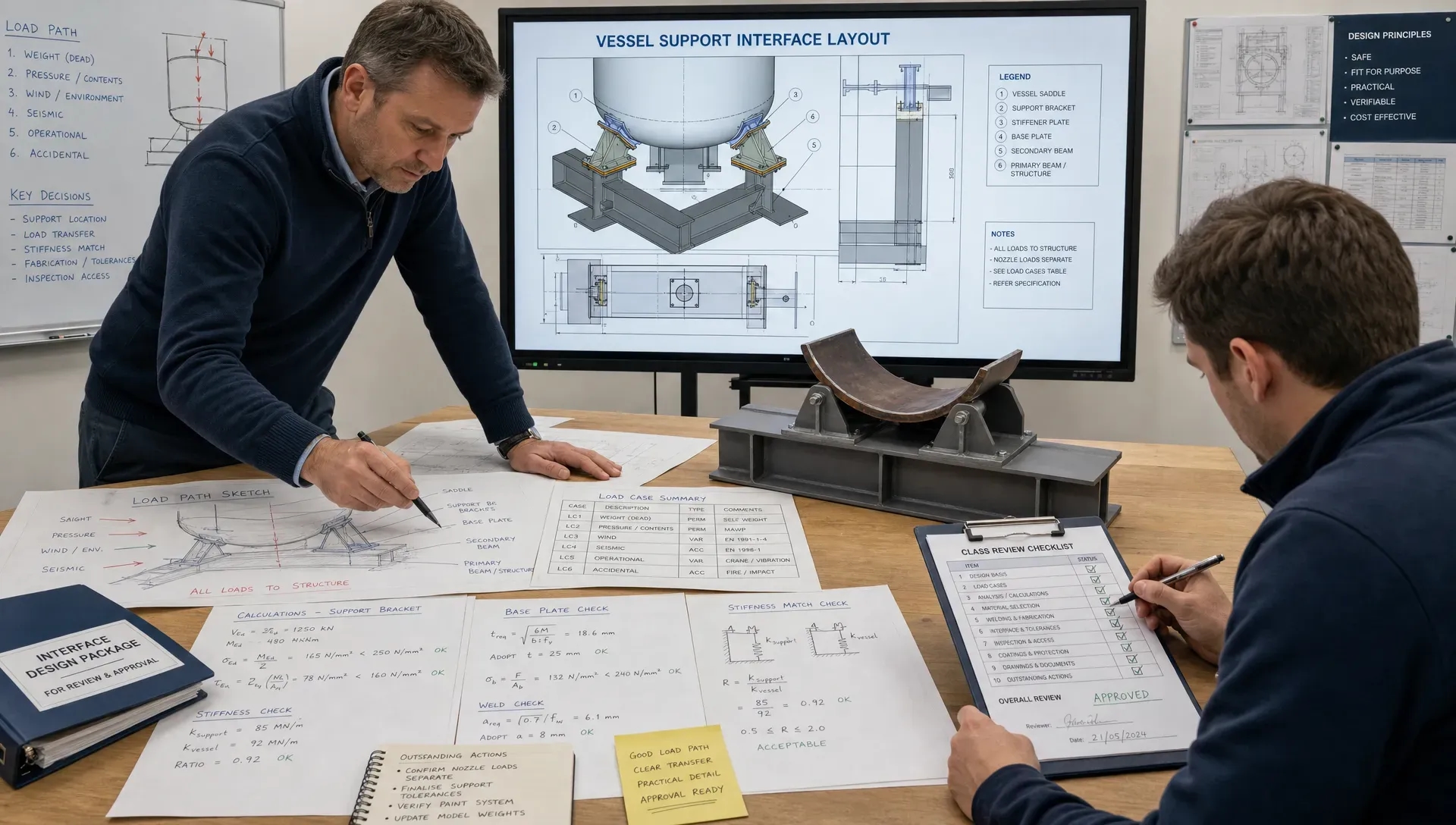
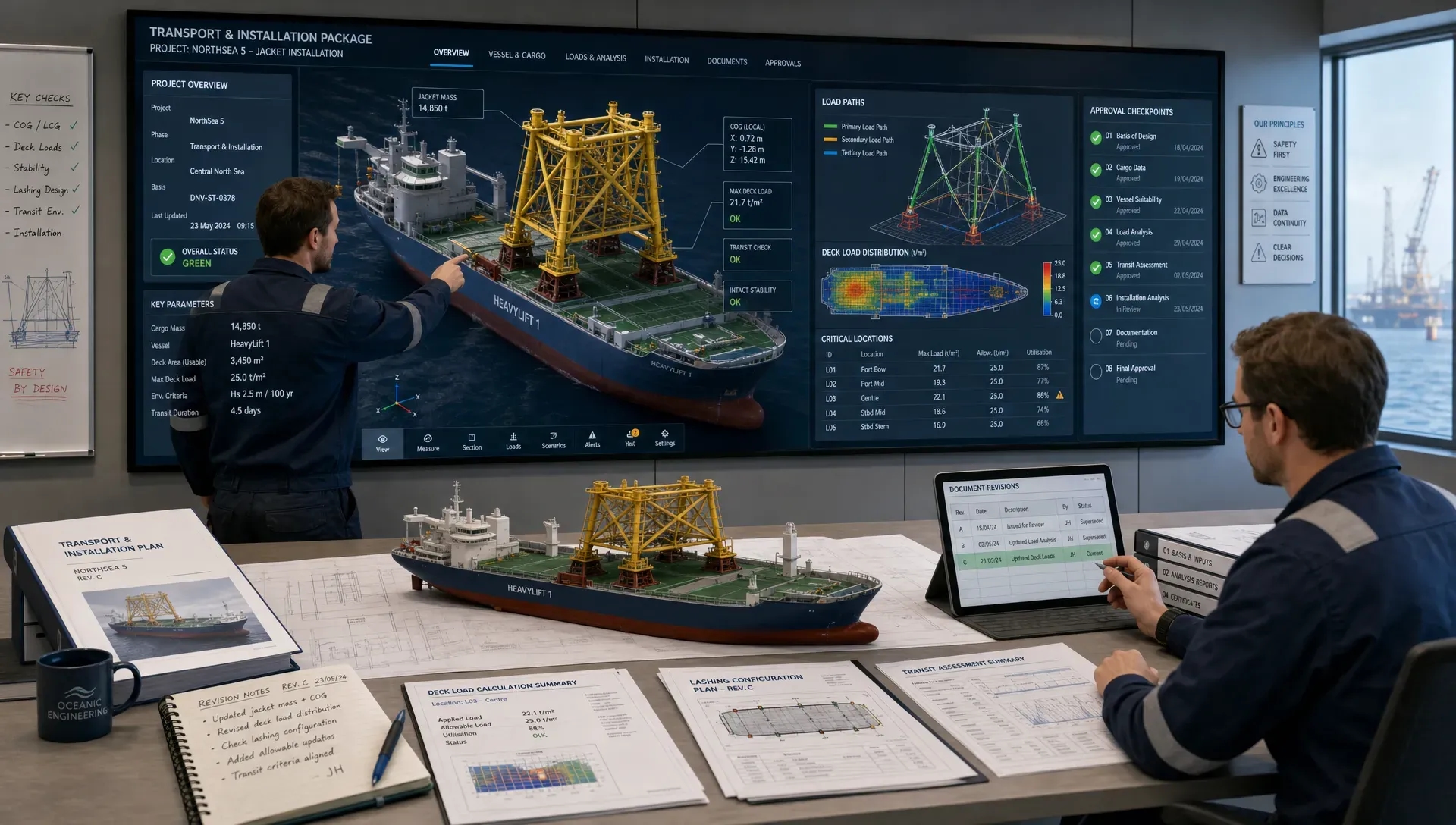
Industry 4 can improve approval readiness by making the engineering trail easier to follow. A strong workflow links the design basis, calculations, models, drawings, reports and procedures. Reviewers should be able to see why a load case was selected, where a reaction force came from, which revision of vessel data was used and how the final arrangement supports safe execution.
This does not mean giving reviewers more information than they need. It means providing the right information in a controlled package. Traceability reduces unnecessary back-and-forth, helps internal checking and supports faster responses when comments arrive.
The same principle applies to internal project control. Technical directors and engineering managers need confidence that speed is not hiding gaps. Fusie Engineers has explored this balance in more detail in its article on how engineering software speeds review without losing control.
Connected offshore workflows improve interface management
Offshore engineering is interface-heavy by nature. Structural design, naval architecture, heavy lift engineering, marine operations, piping, vessel retrofit, fabrication, procurement, QHSE and approval teams all work with different priorities.
Industry 4 workflows help by making interfaces visible earlier. A vessel deck capacity issue can be connected to structural reinforcement. A crane load limit can be connected to rigging geometry. A mooring constraint can be connected to installation sequence. A class requirement can be connected to retrofit design and documentation.
This is particularly important when internal engineering teams are under schedule pressure. Extra engineering capacity is useful, but only if the partner understands the operational context. Offshore-grade support must connect calculations to fabrication, approval and execution.
For Fusie Engineers, this is where multidisciplinary engineering matters. Structural engineers, heavy lift engineers, naval architects, mechanical designers, marine engineers and technical visualisation specialists can contribute to one controlled workflow instead of working in isolated packages.
Visualisation and digital communication reduce execution risk
Industry 4 is not limited to calculations and models. It also changes how complex work is communicated. Technical animations, 3D visuals and clear sequence models can help tender teams, project stakeholders, offshore crews and QHSE teams understand the planned method.
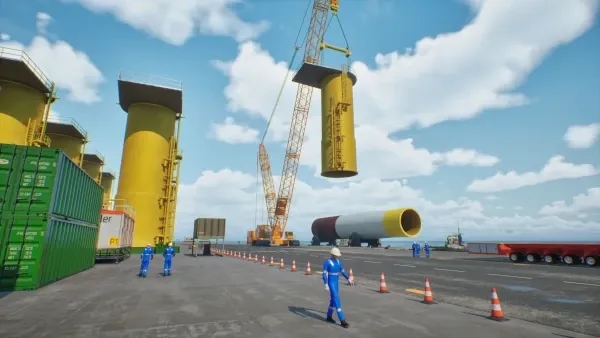
This is valuable for heavy lifts, float-in operations, offshore wind installation, vessel modifications, decommissioning campaigns and complex marine logistics. A drawing package may be sufficient for technical approval, but a visual sequence can make risks and responsibilities clearer during planning and briefing.
Good visualisation should not decorate the engineering. It should be based on the engineering. If a lift animation shows rigging, clearances, vessel positions or component movements, those details should match the actual method statement and calculation assumptions. Otherwise, it can create false confidence.
When used properly, visualisation supports alignment. It helps non-design stakeholders understand why certain constraints matter, such as weather limits, lift radius, sling angles, sea fastening removal sequence, access routes, exclusion zones and standby requirements.
What a practical industry 4 workflow should include
For offshore, maritime and energy projects, the most effective industry 4 workflows are usually built around a few disciplined principles rather than a long list of tools.
A practical workflow should include:
- A controlled design basis with clear ownership of assumptions and revisions.
- Model-based coordination between structural, marine, vessel and fabrication disciplines.
- Simulation linked to real load cases, vessel data and operational limits.
- Buildability review before detailed design is frozen.
- Traceable documentation for internal checking, MWS review and class approval.
- Feedback from fabrication, mobilisation and offshore execution into future engineering decisions.
The final point is often overlooked. Industry 4 is not only about pushing data from engineering to the field. It is also about learning from fabrication issues, offshore observations, installation records, survey results and as-built conditions.
For vessel retrofits and ship design, this feedback can improve future routing, access, maintainability and class documentation. For heavy lift and seafastening work, it can improve standard details, analysis templates and review checklists. For decommissioning, it can help teams handle uncertain asset data and changing offshore conditions more effectively.
The risk of digitising a weak process
Not every digital workflow is an improvement. If the underlying engineering process is weak, industry 4 can make problems harder to see.
Common warning signs include automated reports that are not checked against source assumptions, 3D models that are not aligned with calculations, spreadsheets with unclear revision control, drawings issued before interface loads are confirmed and dashboards that show progress without showing technical maturity.
For offshore projects, this is dangerous because schedule pressure can create a false sense of readiness. A model may look complete while critical approval questions remain unresolved. A fabrication package may be issued while vessel constraints are still being clarified. A lifting plan may be visually convincing while the rigging, stability or weather restrictions need further verification.
The lesson is simple: industry 4 should strengthen engineering discipline, not bypass it.
Frequently asked questions
Is industry 4 the same as using more engineering software? No. Software is part of the picture, but industry 4 is mainly about connected, traceable and controlled workflows. The goal is to improve engineering decisions, coordination, documentation and execution readiness.
How does industry 4 reduce offshore project risk? It reduces risk by improving data continuity, making interfaces visible earlier, supporting simulation before decisions are locked in and creating clearer documentation for review and approval.
Can industry 4 help with MWS and class approval? Yes, when it improves traceability. Reviewers benefit from clear design bases, consistent revisions, linked calculations, controlled drawings and documentation that explains how the design supports the operation.
Does automation replace offshore engineering judgement? No. Automation can speed repetitive checks, reporting and model updates, but engineers still need to verify assumptions, load cases, boundary conditions, fabrication constraints and operational practicality.
Where should an offshore contractor start? Start with the design basis, revision control and interface management. Once the information structure is reliable, software, simulation and automation can add value without creating uncontrolled risk.
Build industry 4 workflows around safe execution
For offshore engineering, industry 4 should not be measured by how many digital tools are used. It should be measured by whether the workflow produces safer, clearer and more buildable project outcomes.
That means fewer late surprises, better-controlled interfaces, faster review cycles, practical fabrication details, approval-ready documentation and offshore methods that crews can execute with confidence.
Fusie Engineers supports offshore, maritime and energy clients with structural design, heavy lift engineering, ship design, vessel retrofits, piping, marine engineering, steel detailing, software support and technical visualisation. If your project needs faster engineering without losing control of safety, quality or documentation, a connected and practical industry 4 workflow is the right place to start.